

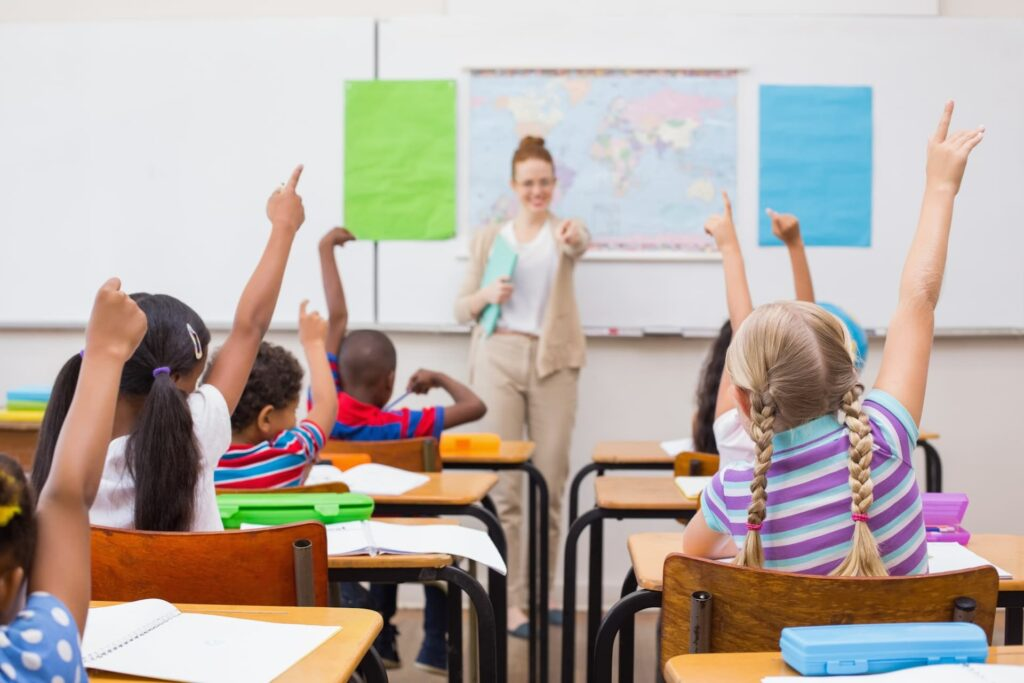
Introducing children to a second language at an early age offers many benefits. Research shows that learning a new language helps children think more flexibly, improves problem-solving skills, and makes it easier for them to learn other subjects. Students who study another language often perform better in math, logic, and reading, and they are more likely to pick up additional languages later in life. For parents looking for Spanish for Elementary Schools, understanding how children learn best can help make the experience fun and effective.
Connect With People
One of the most effective ways for children to learn Spanish is by interacting with others who speak the language. Talking with native speakers, whether in person or online, gives students real opportunities to practice their skills. Schools like the International School of Denver connect students with Spanish educators from the country’s Ministry of Education and Science, offering authentic instruction.
Pen pals are another way to build language skills. Writing letters or emails to Spanish-speaking children allows both groups to practice reading and writing in a meaningful way. Parents can also join the learning process by studying Spanish alongside their child. This shared experience can make learning more engaging and rewarding for the whole family.
Make Learning Fun
Learning is always easier when it feels like play. Using apps that turn language practice into a game is a popular method. Students earn points or rewards as they master new vocabulary and grammar, which helps keep them motivated.
It’s also important to find out why your child wants to learn Spanish. Understanding their personal motivation can make learning more meaningful. Parents can add Spanish into everyday activities, like watching cartoons, playing games, or watching movies in Spanish with English subtitles. Allowing students to choose their own projects—like drawing a comic strip, recording a podcast, or writing a song in Spanish—makes the process more personal and enjoyable.
Practical Strategies for Long-Term Spanish Learning
Creating a strong foundation in Spanish requires more than one class. A holistic approach that weaves language learning throughout all subjects and activities helps children use Spanish in real-life situations.
Integrate Language Across Subjects
Instead of limiting language learning to a single class, some schools teach regular subjects in Spanish. For example, math, science, and history can be taught in Spanish while continuing English instruction. Research shows that students who learn academic subjects in a foreign language perform better in listening and comprehension tests and feel more motivated to practice the language.
Specialty classes in music, drama, and arts taught in Spanish also provide opportunities to learn vocabulary naturally. Using real-world content, such as newspapers, videos, and games in Spanish, helps children become fluent while connecting with the culture.
Use Active Learning and Daily Practice
Children learn best when language lessons are hands-on. Instead of memorizing lists of words, students can do projects like translating Spanish songs into English or role-playing real-life scenarios, such as shopping at a market. Parents can also reinforce learning at home by grouping vocabulary around themes, like favorite foods or activities, and practicing phrases used in daily routines.
Consistency and immersion are key. Short daily sessions are more effective than long, occasional lessons, especially for younger students. Mixing activities like singing, dancing, drawing, and games keeps children engaged while repeating vocabulary and grammar in different ways.
Follow a Step-By-Step Learning Cycle
Programs like the International School of Denver use a structured four-cycle method for teaching Spanish:
1. Immersion (Preschool-Kindergarten) – Most instruction is in Spanish, giving children full exposure from age three.
2. Solidifying Knowledge (Grades 1-2) – Around 80% of instruction is in Spanish, including subjects like math, science, music, and art, while continuing intensive English lessons.
3. Expanding Knowledge (Grades 3-5) – Students refine their skills, often becoming fluent, and may choose to start learning a third language.
4. Global Concepts and Responsible Citizenship (Middle School) – Students continue Spanish learning with about 30% immersion while following a block-based schedule and the International Baccalaureate curriculum.
This method ensures children develop language skills naturally, with regular practice and cultural context, setting the stage for lifelong fluency.
By following these strategies—connecting with native speakers, making learning enjoyable, integrating Spanish into daily life, and using a structured learning cycle—children can achieve real fluency and enjoy the benefits of bilingualism. For families looking for Spanish for Elementary Schools in USA, programs like the International School of Denver provide a supportive and engaging environment that makes learning a second language both fun and meaningful.