


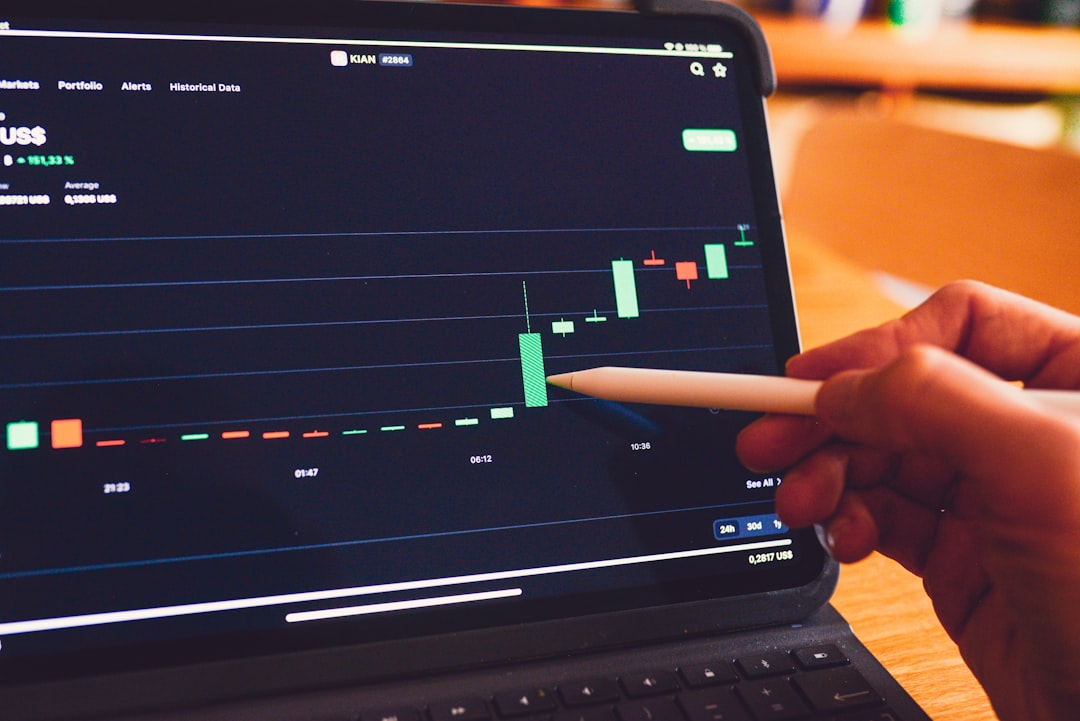
Trader behavior has shifted. The assumption that serious forex trading requires a desktop setup with multiple monitors is increasingly outdated. Android alert systems have played a central role in that shift, enabling a generation of traders to build disciplined, responsive trading habits from a single mobile device. The forex trading app android landscape reflects this evolution—with alert functionality now ranked among the top features traders evaluate when choosing a platform.
Contents
- What Types of Forex Traders Benefit Most from Android Alert Systems?
- How Do Technical Indicator Alerts Work on Android Forex Apps?
- What Are the Common Mistakes Traders Make With Forex Alert Systems?
- How Is Cloud Synchronization Improving Alert Management Across Devices?
- How Are Traders Using Alert Data to Improve Their Strategies Over Time?
- A New Standard for Mobile Trading Engagement
What Types of Forex Traders Benefit Most from Android Alert Systems?
Alert systems on Android are useful across experience levels, but they offer distinct advantages depending on a trader’s style.
Part-time traders who cannot monitor charts continuously benefit most from price and indicator alerts. These notifications allow them to stay engaged with the market without being physically present at a screen. An alert can surface an opportunity during a work break that would otherwise be missed entirely.
Swing traders use alerts to monitor key support and resistance levels over longer timeframes. Rather than watching for a level to be tested in real time, they set an alert and return when the market has done the work.
Scalpers and short-term traders lean on volatility and momentum alerts that fire quickly when conditions align. For this group, delivery speed is the most critical variable.
How Do Technical Indicator Alerts Work on Android Forex Apps?
Indicator alerts go beyond simple price triggers. Instead of firing when an asset reaches a specific level, they activate when a calculated value—derived from price data—meets a defined condition.
Common examples include:
A moving average crossing above or below another moving average
RSI entering or exiting overbought or oversold territory
MACD producing a signal line crossover
Bollinger Band breakouts
The advantage of indicator alerts is that they encode a trading logic into the notification itself. A trader who receives a moving average crossover alert already knows something meaningful about market momentum—the alert arrives with context built in.
What Are the Common Mistakes Traders Make With Forex Alert Systems?
Several recurring mistakes limit the effectiveness of alert systems for traders who are otherwise technically capable.
Setting too many alerts. When everything is flagged as important, nothing is. Traders who configure dozens of simultaneous alerts often find themselves overwhelmed and begin ignoring notifications.
Not reviewing alerts regularly. Markets change. An alert set for a level that is no longer relevant adds clutter and can create false urgency.
Treating alerts as trade signals. An alert is a prompt to look, not a command to act. Traders who execute trades immediately upon receiving a notification—without reviewing current conditions—bypass the analytical process that makes trading disciplined.
Ignoring delivery settings. Android devices have complex notification management systems. Traders who do not configure their apps correctly may miss critical alerts due to battery optimization or do-not-disturb settings.
How Is Cloud Synchronization Improving Alert Management Across Devices?
Cloud-based alert management allows traders to set, modify, and monitor notifications from any device—switching seamlessly between phone, tablet, and desktop without losing configuration data.
This is particularly valuable for traders who use Android as their primary mobile tool but rely on a desktop platform for in-depth analysis. Alerts configured on one device sync automatically across all others, creating a unified experience regardless of which screen is in use.
How Are Traders Using Alert Data to Improve Their Strategies Over Time?
Alert history—a log of when notifications were triggered and what the market did afterward—is an underused resource. Reviewing this data reveals which alert configurations have historically preceded strong moves and which have generated false positives.
Some advanced Android forex apps now include alert analytics dashboards that visualize this information, helping traders refine their configurations based on actual performance rather than assumption.
A New Standard for Mobile Trading Engagement
Android alert systems have raised the baseline expectation for what mobile forex trading looks like. Timely, specific, and customizable notifications are no longer a premium feature—they are a standard requirement. Traders who learn to configure and use these systems with intention gain a meaningful advantage in managing both opportunity and risk across their trading sessions.
Key Takeaways
- Android alert systems are transforming trader behavior by allowing for disciplined trading from a single mobile device instead of a desktop with multiple monitors.
- Part-time traders benefit most from price and indicator alerts that help them engage with the market without constant screen monitoring.
- Indicator alerts trigger based on calculated values from price data, providing context for market momentum when they activate.
- Common mistakes with forex alert systems include setting too many alerts, not reviewing them regularly, and treating alerts as definitive trade signals.
- Cloud-based alert management enables traders to modify notifications across devices without losing configuration data, enhancing their trading experience.
- Reviewing alert history helps traders identify configurations that correlate with strong market movements, allowing for strategic refinement.